Your Roadmap to Better Digestive Health
Time-Tested Strategies for Natural Gut Healing
The health of your gut plays an essential role in overall wellness. Individuals often overlook its importance until issues arise. An integrated strategy can significantly enhance digestive function. This encompasses food changes and life adjustments. Integrating targeted foods and supplements may generate positive effects. Learning the details of intestinal health can prompt wiser decisions. The upcoming sections will examine proven methods to improve digestive health and demonstrate how easy changes can create significant impact.
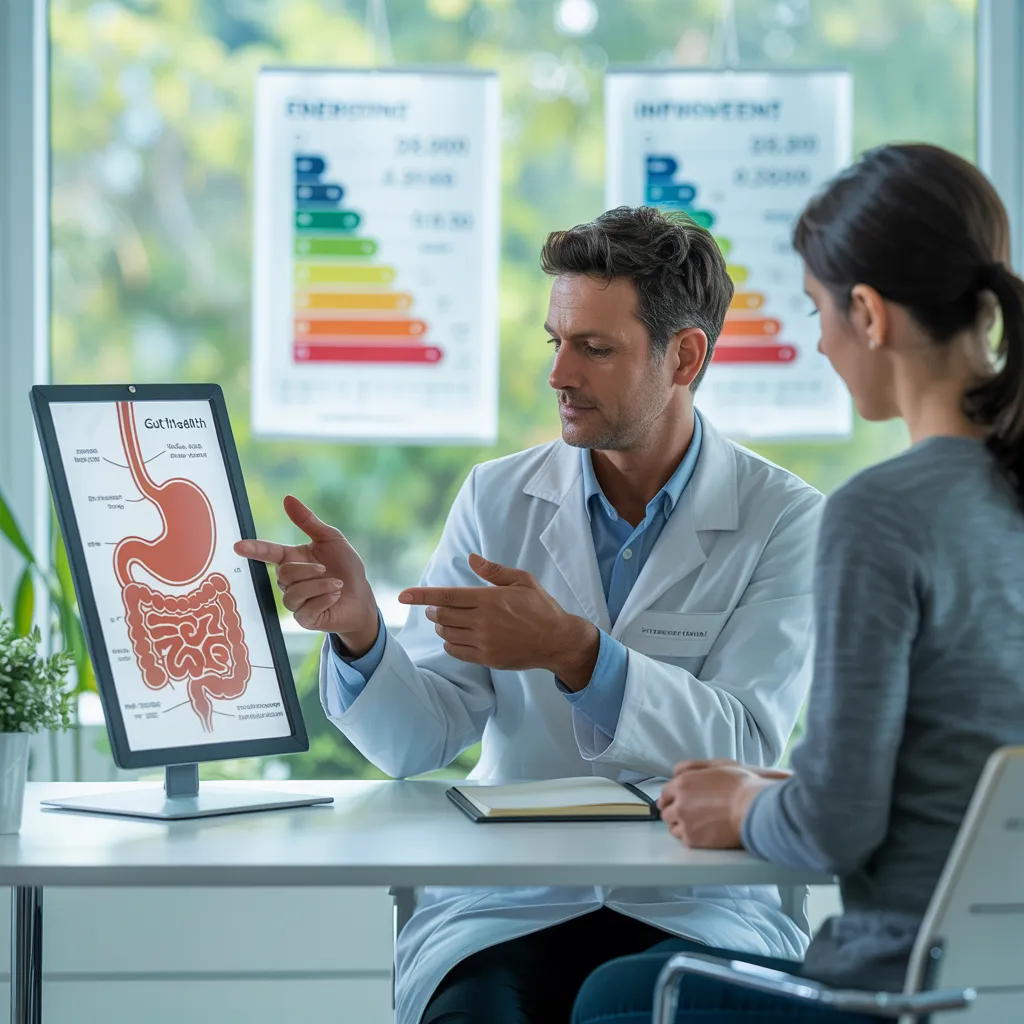
Gut Health: Why It's Crucial and How to Optimize It
Gut health is fundamental for complete well-being, affecting everything from digestion to immune function. A well-maintained gut microbiome supports nutrient absorption, confirming the body receives vital vitamins and minerals. In addition, a healthy gut can lower inflammation, which fulfills an important role in averting chronic diseases. Studies show that an disrupted gut can contribute to concerns such as anxiety, depression, and autoimmune disorders, underscoring the significance of maintaining gut health.
Boosting gut health necessitates a multifaceted approach. Routine physical activity promotes digestive efficiency and microbiome diversity. Stress management techniques, such as mindfulness and yoga, can also positively impact gut function. Moreover, proper hydration is crucial for maintaining digestive health. It is essential to minimize processed foods and excessive sugar intake, as these can disrupt the gut's natural balance. By embracing these strategies, individuals can develop a healthier gut, ultimately enhancing their overall health and quality of life.
Key Dietary Choices for Gut Wellness
Maintaining a balanced diet is crucial for supporting gut health, as certain foods can nourish the microbiome and promote digestive function. Foods rich in fiber, like whole grains, fruits, and vegetables, are essential for promoting proper digestion. They supply essential bulk that aids in moving food through the digestive system and feed beneficial gut bacteria.
Fermented products, like yogurt, kefir, sauerkraut, and kimchi, contribute to gut health by introducing beneficial microorganisms. These food items maintain a balanced gut flora, which is vital for optimal digestive processes. Additionally, healthy fats, such as those found in avocados, nuts, and olive oil, can strengthen the gut lining, promoting overall gut integrity.
Adding these essential foods can foster a flourishing microbiome, eventually resulting in better digestion and total well-being. Making these dietary choices lays a strong foundation for a healthy gut.
The Role of Probiotics and Prebiotics in Gut Health
Numerous studies reveal the important role of probiotics and prebiotics in maintaining gut health. Probiotics are live microorganisms that confer health benefits when consumed in sufficient amounts. They help rebuild the gut microbiota balance, which can be upset by factors such as unhealthy eating habits, stress, and antibiotics. By boosting the population of beneficial bacteria, probiotics can improve digestion, enhance immunity, and minimize inflammation.
Prebiotics, conversely, are fiber compounds that cannot be digested that serve as nourishment for these beneficial bacteria. They stimulate the development and function of probiotics, continually supporting a thriving digestive environment. This partnership between probiotics and prebiotics helps to enhance nutrient absorption and can alleviate gastrointestinal issues such as gas and constipation. Together, they establish a harmonious gut ecosystem, which is crucial for general health and vitality. Incorporating both into your diet can greatly contribute to maintaining excellent gut wellness.
Life Changes to Boost Gut Health
Preserving a balanced gut microbiome entails more than merely probiotics and prebiotics; lifestyle modifications also play a vital role in supporting gut health. Regular physical activity can enhance gut motility and promote a varied microbiome, while quality sleep is critical for complete health and immune function. Stress management practices, such as mindfulness or yoga, can also beneficially affect gut health by minimizing inflammation and promoting a healthy gut-brain relationship.
Moreover, hydration is vital, as water aids digestion and nutrient absorption. Limiting processed foods and sugar can help stop imbalances in gut bacteria, while including a variety of whole foods secures a rich intake of nutrients and fiber. Finally, limiting excessive alcohol consumption and smoking can protect gut integrity. Overall, these lifestyle modifications foster a healthier gut, improving digestion, immunity, and overall health.
Top Natural Remedies and Effective Supplements to Heal Your Gut
When seeking solutions for gut healing, one might contemplate the benefits of foods high in probiotics along with herbal remedies. These holistic methods, combined with gut-healthy lifestyle practices, can significantly improve gut wellness. Recognizing their contributions delivers a thorough approach to sustaining a balanced gut ecosystem.
Probiotic-Rich Foods
While many people seek effective ways to enhance their gut health, including probiotic-filled foods in their nutrition plans proves to be a wholesome and valuable strategy. Probiotics, which are live microorganisms that promote a healthy gut microbiome, are present in numerous food sources. Yogurt, kefir, sauerkraut, kimchi, and miso are excellent sources of these beneficial bacteria. Frequent eating of these products can aid in rebuilding intestinal bacterial harmony, enhance digestive processes, and support immune function. Additionally, probiotic foods can boost nutrient assimilation and minimize intestinal swelling. For people wanting to enhance their probiotic ingestion, incorporating diverse selections of these items into everyday eating can create a substantial impact in comprehensive digestive wellness and vitality.
Herbal Supplement Advantages
Multiple herbal supplements present strong benefits for gut health, delivering a natural avenue for those looking to heal and optimize their digestive systems. Ingredients like ginger, peppermint, and turmeric feature anti-inflammatory properties that can soothe the digestive tract and relieve discomfort. Aloe vera, recognized for its healing characteristics, may contribute to reducing gut inflammation and supporting regularity. Additionally, slippery elm has been demonstrated to coat the digestive lining, offering relief from irritation. Chamomile is another beneficial herb, often used to relax the digestive muscles and diminish bloating. Integrating these herbal supplements into an individual's routine may boost gut flora balance and support overall digestive health, making them invaluable allies in the mission for improved gut function.
Gut-Friendly Lifestyle Tips
A gut-friendly lifestyle can considerably enhance digestive health and overall well-being. Embracing a balanced diet rich in fiber, prebiotics, and probiotics is key. Foods such as yogurt, kefir, sauerkraut, and whole grains foster healthy gut flora. Staying hydrated is equally important, as water facilitates digestion and nutrient absorption. Regular physical activity, for instance walking or yoga, can enhance gut motility and alleviate stress, which is positive for gut function. Also, avoiding processed foods, excessive sugar, and artificial additives contributes to maintain a balanced microbiome. Mindful eating practices, including chewing food thoroughly and avoiding distractions during meals, can improve digestion. In conclusion, quality sleep is vital, as it allows the body to recover and renew, bolstering overall gut health.
Signs Your Gut Health Is Enhancing
Better gut health often shows itself through observable changes in total well-being. Individuals may feel higher energy levels, which can result in enhanced productivity and better mood regulation. A decline in digestive problems, such as bloating and gas, typically suggests a healthier gut. Normal bowel movements that are solid and consistent serve as another sign of improvement.
Moreover, skin condition may demonstrate considerable positive changes; concerns such as acne or eczema can decrease as digestive microbiome balance recovers. Improved immunity is additionally a prevalent sign; less frequent illnesses and quicker recovery times indicate a healthy gut microbiome. Lastly, better mental clarity and lessened anxiety can reflect a healthy gut-brain connection, suggesting that gut health is on the mend. These signs combined validate that a focus on promoting gut health is generating real, positive results.
FAQ
Does Stress Impact My Gut Health?
Indeed, stress has a substantial effect on gut health. It may interfere with the balance of gut bacteria, causing gastrointestinal troubles and inflammation. Chronic stress also impairs gut function, likely intensifying existing gastrointestinal conditions and symptoms.
How Long Will It Take for My Gut to Heal?
Restoring gut health can fluctuate substantially, generally needing roughly a few weeks to several months. Factors influencing this timeline include diet, lifestyle, unique health circumstances, and adherence to beneficial practices for gut health.
Are There Particular Diets That Help Heal the Gut?
Targeted diet plans for gut informative guide healing often include Mediterranean, low FODMAP, and elimination diets. These approaches concentrate on reducing inflammation, maintaining gut bacteria, and avoiding irritants, thereby promoting digestive health and general wellness.
Is Taking Supplements Long-Term Safe?
For many individuals, taking supplements over extended periods can be safe when they consult with healthcare professionals. However, potential risks include nutrient imbalances or unwanted side effects, so regular monitoring and adjustments may be necessary for ideal health.
What Should I Skip for Enhanced Gut Health?
To promote better gut health, individuals should avoid overly processed foods, excessive sugar, artificial sweeteners, and trans fats. In addition, minimizing alcohol consumption and reducing stress can considerably support overall digestive wellness.